- The Daily Vroom
- Posts
- Can SuperCar Blondie Sell Her Own Car?
Can SuperCar Blondie Sell Her Own Car?
PLUS: A Revolutionary Citroën, A Taxi-Built Checker, A Volvo Brick, And A V8 Mercedes Cruiser

Sam Gold
March 16, 2026
The Daily Vroom
Will This SuperCar Blondie Brabus Sell?

Last week we were talking about celebrity ownership after the non-sale of Reggie Jackson’s Range Rover. Good car, famous owner, but the market ultimately shrugged.
Now we have another celebrity car hitting the auction block, but from a very different type of celebrity.
Supercar Blondie has listed one of her personal cars, a 2019 Mercedes-AMG G63 that has been taken to the extreme with the full Brabus 800 Widestar treatment. We’re talking 800 horsepower, huge 23-inch Brabus wheels, carbon fiber everywhere, and a look that is about as far from subtle as a G-Wagen can get.
Finished in a Tiffany Blue fading into silver wrap with a matching Tiffany Blue interior, this is about as unique a G63 as you’re likely to see. Love it or hate it, nobody is confusing this with a stock truck.
We’ve already seen creators sell cars on auction platforms before. Doug DeMuro has sold several of his own cars on Cars & Bids and those listings obviously bring extra attention. But in most cases the cars themselves still land roughly where the market expects them to.
This one is a slightly different test. Supercar Blondie isn’t a traditional celebrity, but in the automotive world her reach is enormous, particularly in the Middle East where cars like this tend to resonate the most.
Ultimately though the market will answer a very simple question. Does the combination of a one-off Brabus build and one of the biggest automotive influencers in the world translate into a premium when the hammer falls?
We’ll find out soon enough.

No Reserve Wildcards
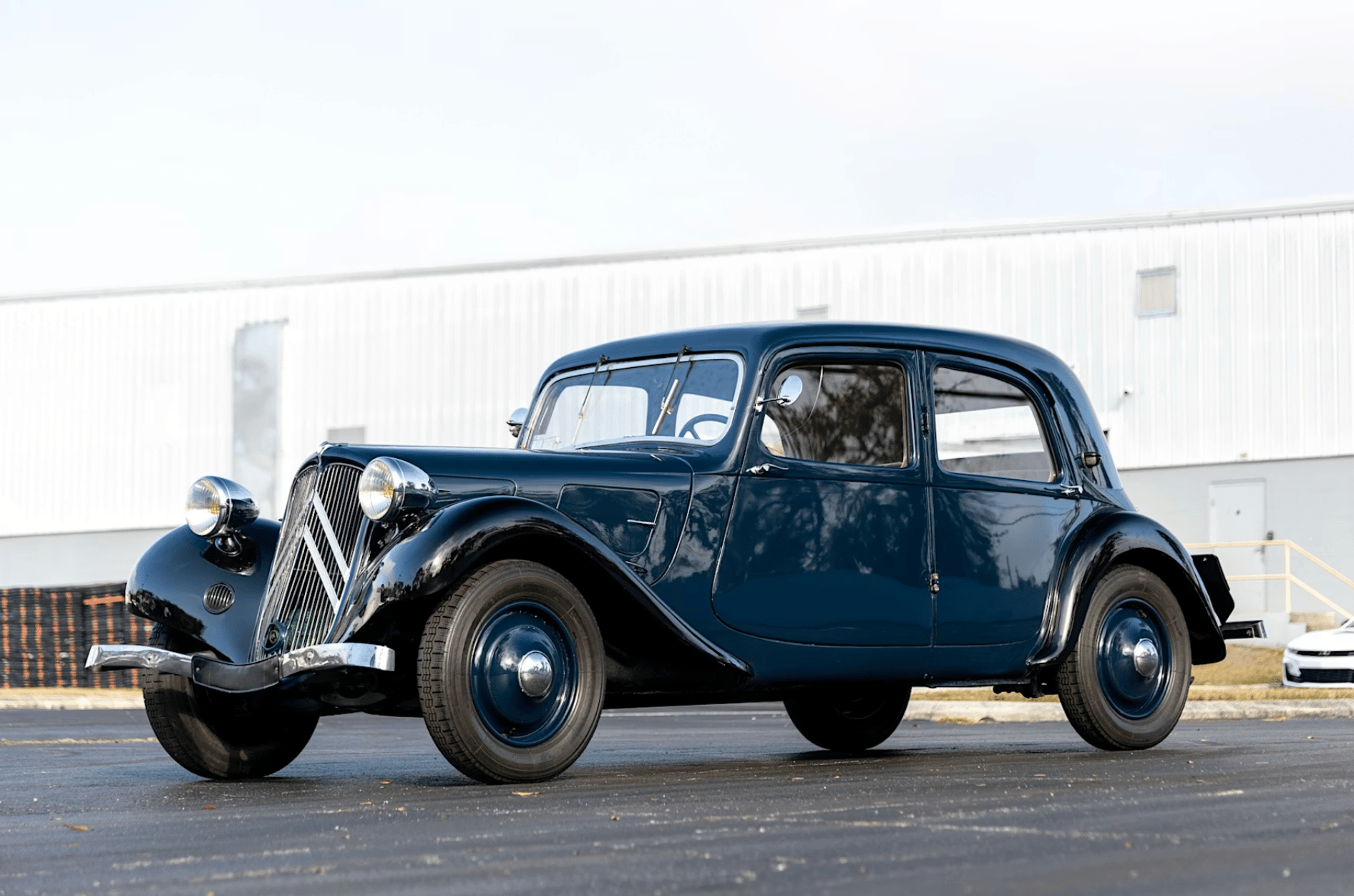
The Citroën Traction Avant was one of the most revolutionary cars of the 1930s, and the 7CV played a key role in establishing that reputation. At a time when most cars were still built with ladder frames, rear wheel drive, and fairly basic suspension setups, Citroën introduced a car with front wheel drive, a unitary body structure, fully independent suspension, and hydraulic brakes. It was an engineering package that was years ahead of much of the industry.
Power comes from a 1.3 liter inline four paired with a manual gearbox. Performance was never the headline here. The real story was the way these cars drove compared with their contemporaries, offering stability and road holding that few cars of the era could match.
This particular example is finished in midnight blue with black fenders and comes from the Tampa Bay Automobile Museum. It is presented as a running and driving car and, like most vehicles approaching ninety years old, it shows some age related imperfections including wear in the interior and a few cosmetic details that reflect a long life.
The appeal here is not perfection but history. Cars like the Traction Avant represent a genuine turning point in automotive design, and seeing one appear in the auctions alongside much more modern machinery is always a reminder of just how far ahead of their time they were.
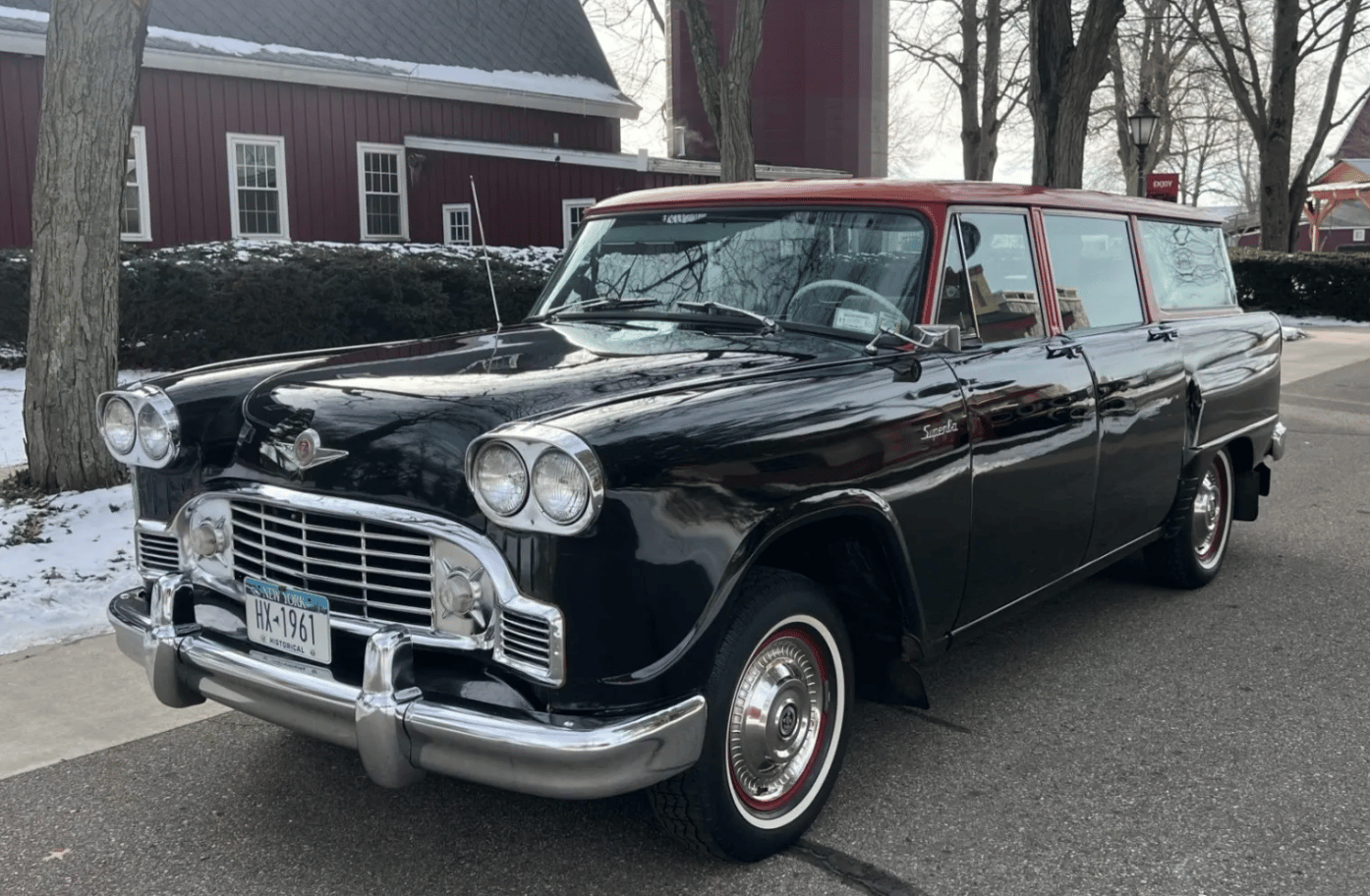
The Checker name is one of those brands that instantly brings a very specific image to mind. For decades these were the workhorses of American cities, hauling passengers through New York, Chicago, and countless other places where durability mattered far more than style. The Superba was Checker’s attempt to bring that same heavy-duty formula to the civilian market, and this 1961 station wagon is exactly the kind of machine that explains why these cars developed such a reputation for toughness.
What really jumps out with this one is the mileage story. The odometer has rolled over three times and the car is believed to have covered more than 300,000 miles with its original family before eventually being donated to the Gilmore Car Museum. That kind of longevity is exactly what these cars were built for. Checker engineered them to survive brutal taxi service, which means simple mechanicals, thick steel, and a design focused entirely on durability rather than luxury.
Under the hood is a 226 cubic inch Continental inline-six paired with a column-shifted three-speed manual with overdrive, a drivetrain that was never about speed but was built to run forever with basic maintenance. The car still carries its straightforward working-class character with bench seats, simple vinyl upholstery, and a huge amount of interior space that reflects its taxi origins.
There’s also an interesting twist surrounding the sale itself. The wagon was donated to the Gilmore Car Museum and is now being sold to help support the institution, which has sparked a lively debate among the peanut gallery about museums selling cars from their collections. Adding another layer to the story, the son of the original owner has appeared in the auction comments saying he is bidding in an attempt to bring the car back into the family.
Checker wagons rarely surface, and when they do they tend to attract buyers who appreciate the sheer honesty of these machines. It may not be glamorous, but few cars tell the story of American automotive durability quite like this one.
No Reserve Drivers
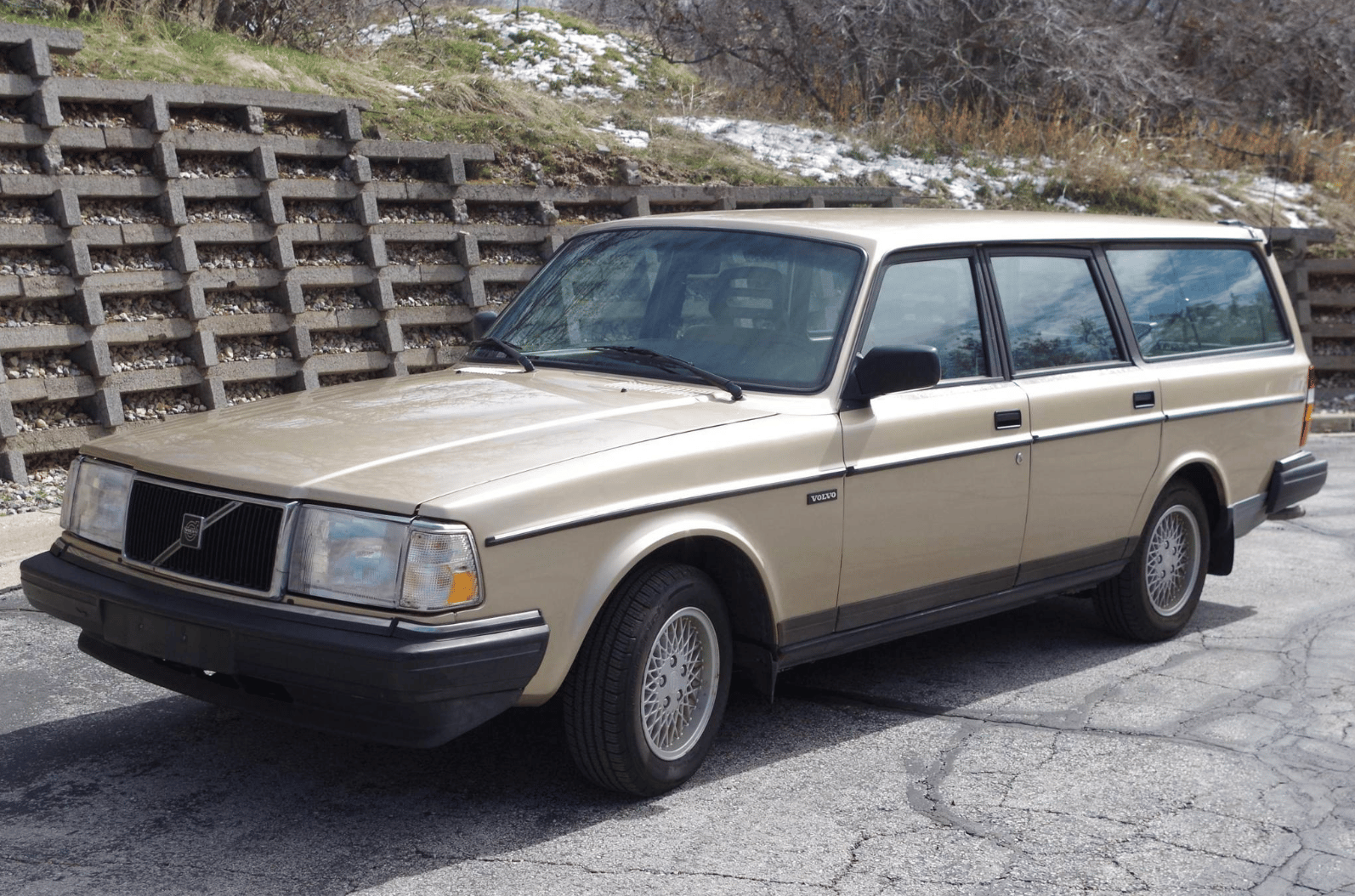
Long-time readers will know I’m a wagon fan, and the Volvo 240 wagon sits firmly in the hall of fame of practical long roofs. This one is a final-year 1993 example finished in Gold Metallic over tan cloth, and it’s exactly the sort of honest Swedish brick that keeps showing up on auction sites and finding new homes.
The formula is simple. A rear-wheel-drive Volvo wagon, a dependable 2.3-liter four-cylinder, and the kind of overbuilt engineering that helped these cars run for decades hauling families, furniture, and just about everything else. With 162k miles on the clock this one has clearly lived a life, but anyone familiar with these cars will know that number is hardly the end of the road.
These old bricks have a reputation for durability for a reason. Properly maintained they can rack up many more miles without much drama, and with strong parts availability and a loyal enthusiast base there’s plenty of support if anything does need attention.
This one isn’t perfect and doesn’t pretend to be. There are cosmetic marks and some age-related wear, but as a usable classic wagon that still has plenty of driving left in it, the appeal of a simple, honest Volvo like this is easy to understand.
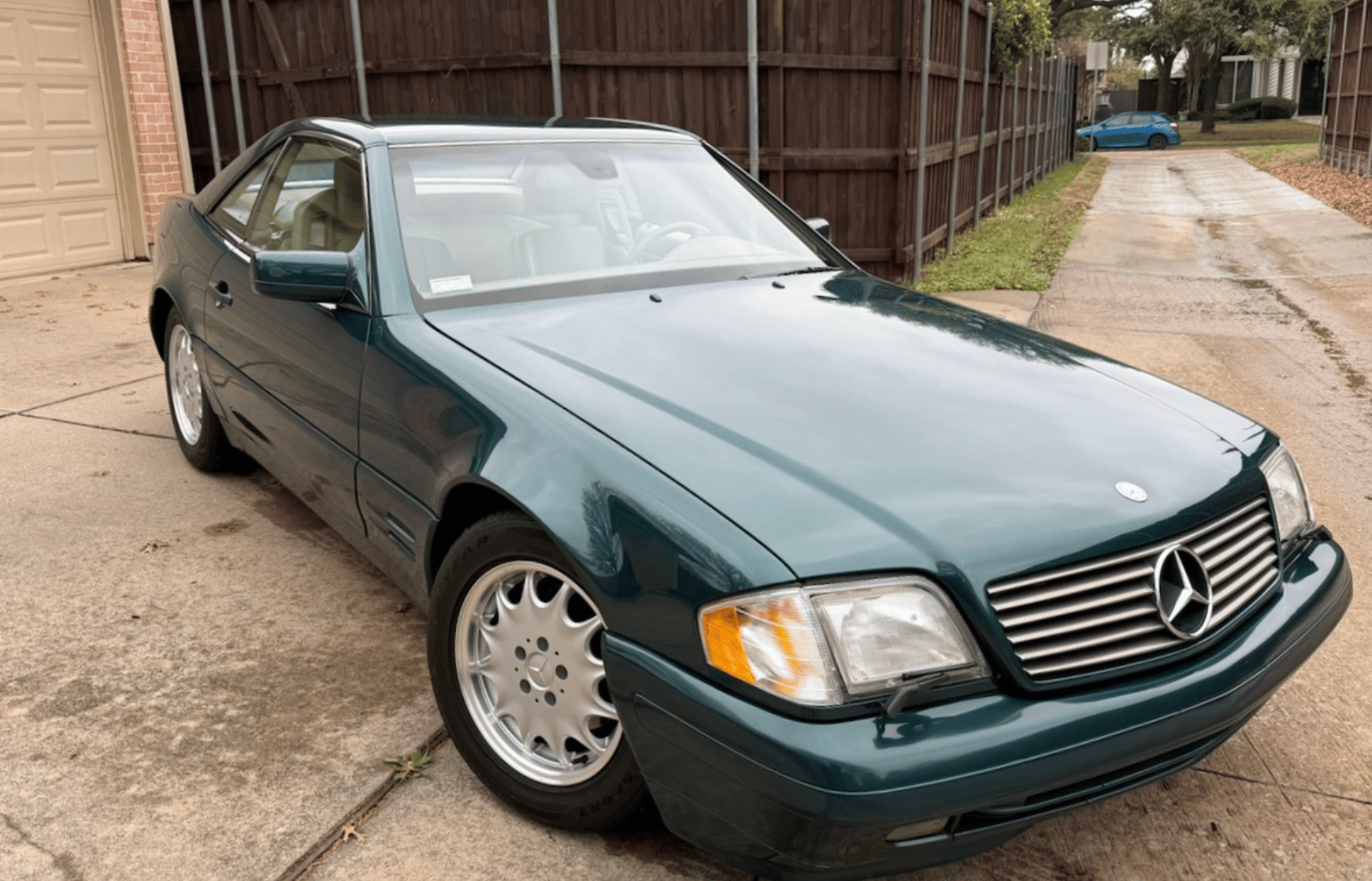
If the Volvo represents the practical side of the enthusiast world, this 1998 Mercedes-Benz SL500 sits firmly on the other end of the spectrum, a proper old school luxury roadster from an era when Mercedes was still engineering these cars to last.
This is an R129 finished in Brilliant Emerald Metallic over beige leather, a color combination you do not see very often and one that suits the shape particularly well. It also shows just 59k miles, which is relatively low for a car that is now approaching thirty years old.
What really makes this car interesting to enthusiasts is the drivetrain. The 1997 and 1998 cars sit in the sweet spot of R129 production because they combine the excellent M119 5.0 liter V8 with the later five speed automatic transmission, giving the car plenty of smooth power without the added complexity that came with later engines.
The seller also notes that the convertible top hydraulics have been completely replaced, which is one of the bigger maintenance items on these cars, along with a handful of other recent services including shifter bushings, an oil pan gasket, an O2 sensor, and new tires.
Step back and what you have here is exactly the kind of classic Mercedes people still enjoy driving today. Comfortable, understated, well engineered, and powered by one of the best V8s Mercedes ever built. For someone looking for a relaxed cruiser that can still cover serious miles, the R129 SL500 remains a very appealing place to land.
Reply