- The Daily Vroom
- Posts
- The Ultima Dividing Opinions
The Ultima Dividing Opinions
PLUS: A clean W210, a usable 964 WTL, a 37k-mile Eldorado, and a museum-level Model T

Sam Gold
April 06, 2026
The Daily Vroom
This One’s Not So Simple
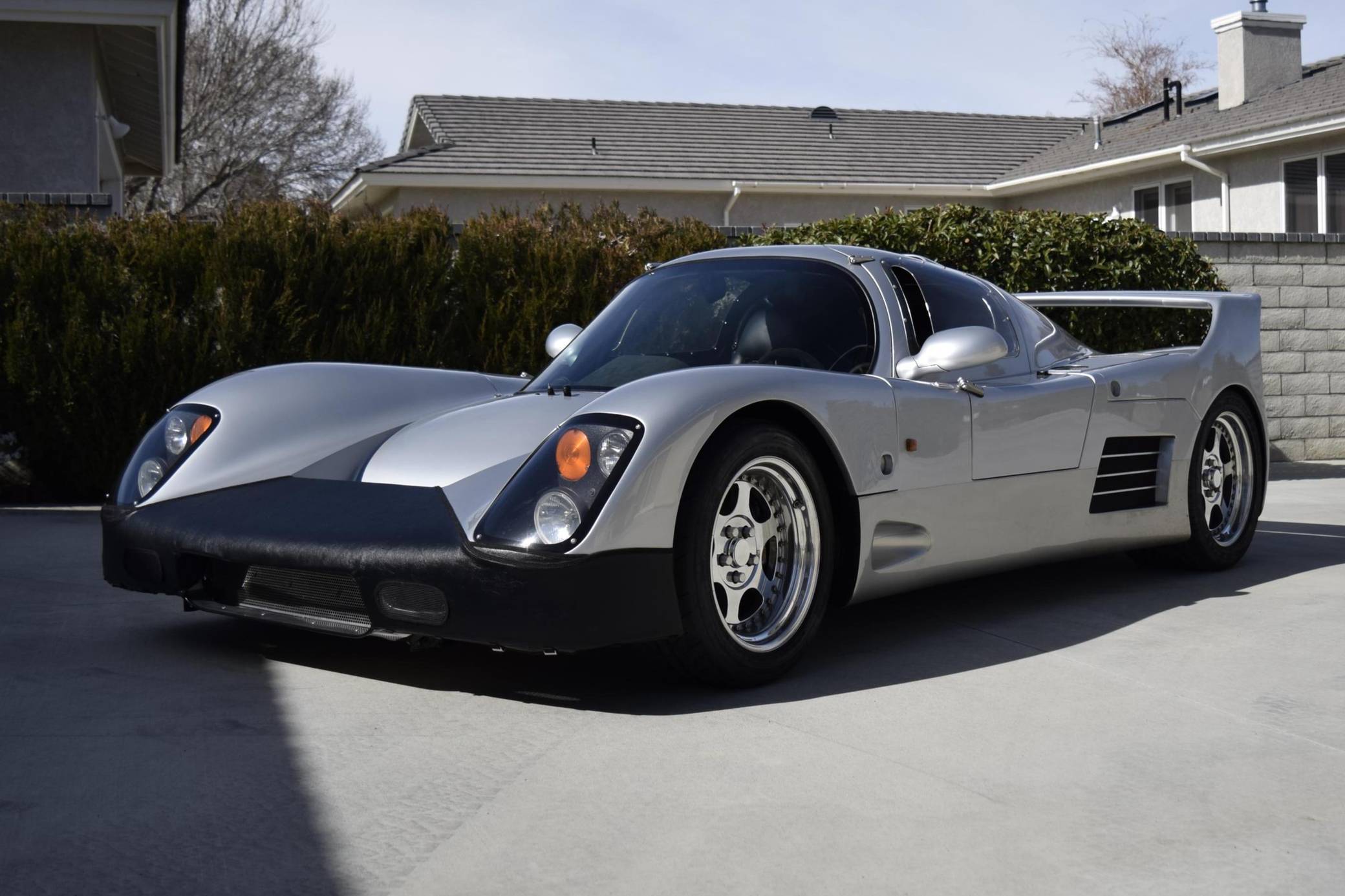
This is exactly the kind of car where people overthink themselves out of a great decision, because they get caught trying to make it fit into a framework that was never designed for something like this in the first place.
The Ultima Sport doesn’t sit neatly in any category, and that’s not a flaw, it’s the entire point. It’s not a clean production car with a predictable market, and it’s not just another garage-built project either. It lives somewhere in between, and if that makes you uncomfortable, you’re probably not the buyer for it.
What actually matters here is simple, even if people are trying to complicate it. You’re looking at a mid-engine car that weighs basically nothing, makes real power, and is paired with a proper manual, which already puts it into a category of driving experience that almost doesn’t exist anymore. This is not something you ease into or casually take out for a Sunday drive, it’s something that demands your attention every second you’re in it, and that’s exactly why it exists.
The hesitation you’re seeing in the bidding isn’t about the car, it’s about the story around it. The Targa Tasmania angle sounds great until you start pulling at it and realize it doesn’t fully line up. The factory-built claim matters, but it’s being supported more by conversation than documentation. The engine could be excellent, but there’s no build sheet telling you exactly what’s inside. On top of that, the California registration situation is just unclear enough to make people pause longer than they normally would.
But none of that is changing between now and when the auction ends in a few hours, and that’s the part people miss. This is the full picture. Waiting doesn’t suddenly make this car more documented or easier to understand, it just means someone else makes the decision first.
So the real question isn’t whether everything checks out perfectly on paper, because it doesn’t, and it probably never will. The question is whether you understand what this car actually offers, and whether you’re comfortable valuing that without needing every piece of the story tied up.
At this level, you’re not paying for certainty, you’re paying for something that feels completely different from everything else on the road. There is nothing else at this price point that delivers this combination of weight, power, and presence, and more importantly, nothing that creates the same kind of reaction when you actually use it.
Most people will keep digging for answers until they talk themselves out of it, because that’s how most buyers operate. The few who don’t are the ones who end up owning cars like this, not because everything made perfect sense, but because they understood enough to act.
And that’s really what this comes down to.

No Reserve Auctions To Keep An Eye On
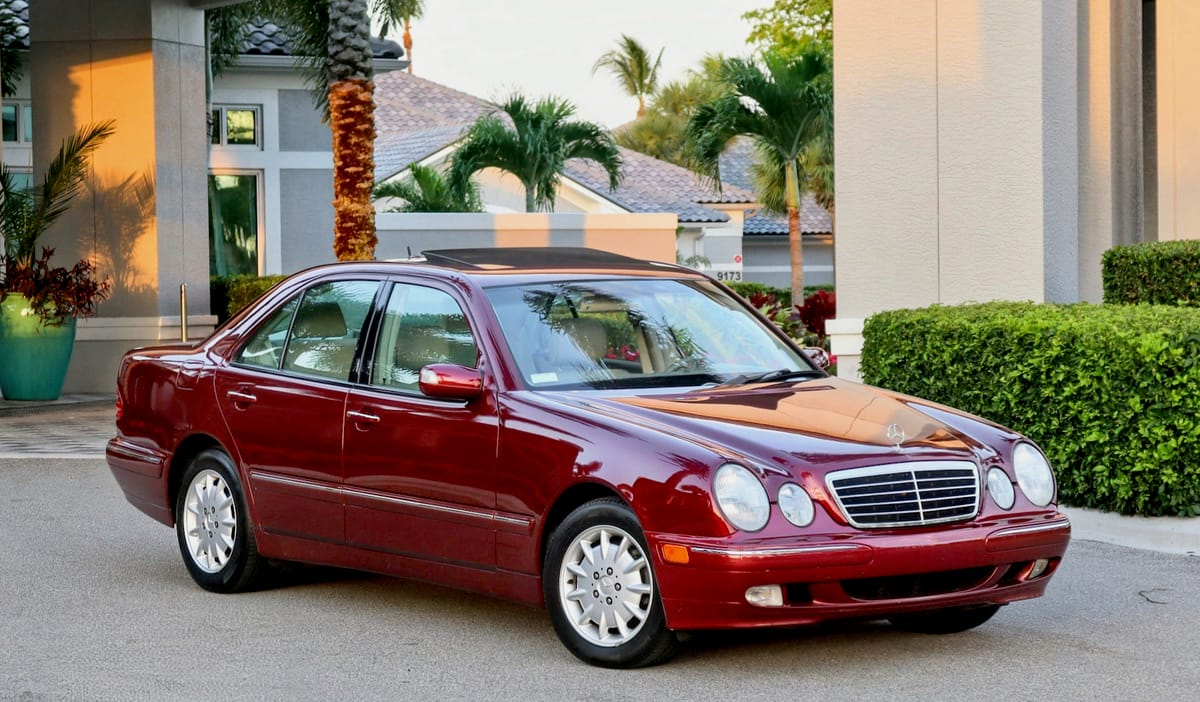
This is one of those cars that doesn’t look like much at first glance, and that’s exactly why it’s interesting.
The Mercedes-Benz E320 isn’t trying to impress you with numbers or rarity or some big headline story. It’s just sitting there, Bordeaux Red, low miles, clean history, no reserve… and quietly checking a lot of boxes that people only realize matter after they’ve already owned a few bad cars.
What makes this one work isn’t any single standout feature, it’s how little has been messed with. One long-term owner, 67k miles, original paint by all indications, and no attempt to “improve” it along the way. That last part matters more than people think, because these are the exact cars that survive while everything else gets slowly modified into something worse.
And the spec is right. Bordeaux Red is one of those colors that never shows properly in photos but looks far better in person, especially on a W210 where the design already leans understated. Pair that with a clean Quartz interior and wood trim that hasn’t been swapped or wrapped or ruined, and you get something that feels honest in a way most modern cars just don’t.
Mechanically, this is about as straightforward as it gets for a Mercedes of this era. The M112 V6 and 5-speed automatic is one of those combinations that just works, not because it’s exciting, but because it’s durable and predictable and doesn’t ask for much in return. No air suspension, no complicated electronics, nothing hiding underneath waiting to surprise you. You maintain it, it runs.
The seller has also done the right things ahead of the sale. Fluids, gaskets, plugs, transmission service, all the unglamorous stuff that actually determines whether a car feels sorted or neglected. It doesn’t make for a flashy listing, but it’s exactly what you want to see.
What’s interesting here is how the market treats cars like this. Because on paper, this is easy to overlook. It’s not rare in the traditional sense, it’s not especially fast, and it doesn’t carry the kind of badge weight that makes people stretch. So it sits in this weird middle ground where people hesitate, convince themselves they’ll find another one, and move on.
And then a year later they’re looking at higher-mile, worse examples wondering what happened.
The reality is, clean, unmodified, low-mile W210s are quietly disappearing. Not overnight, not dramatically, just slowly enough that most people don’t notice until they try to actually buy one.
This isn’t a car you buy to make a statement. It’s the kind of car you buy because you want something that just works, looks right, and doesn’t turn into a project the second you bring it home. And those are getting harder to find than people think.
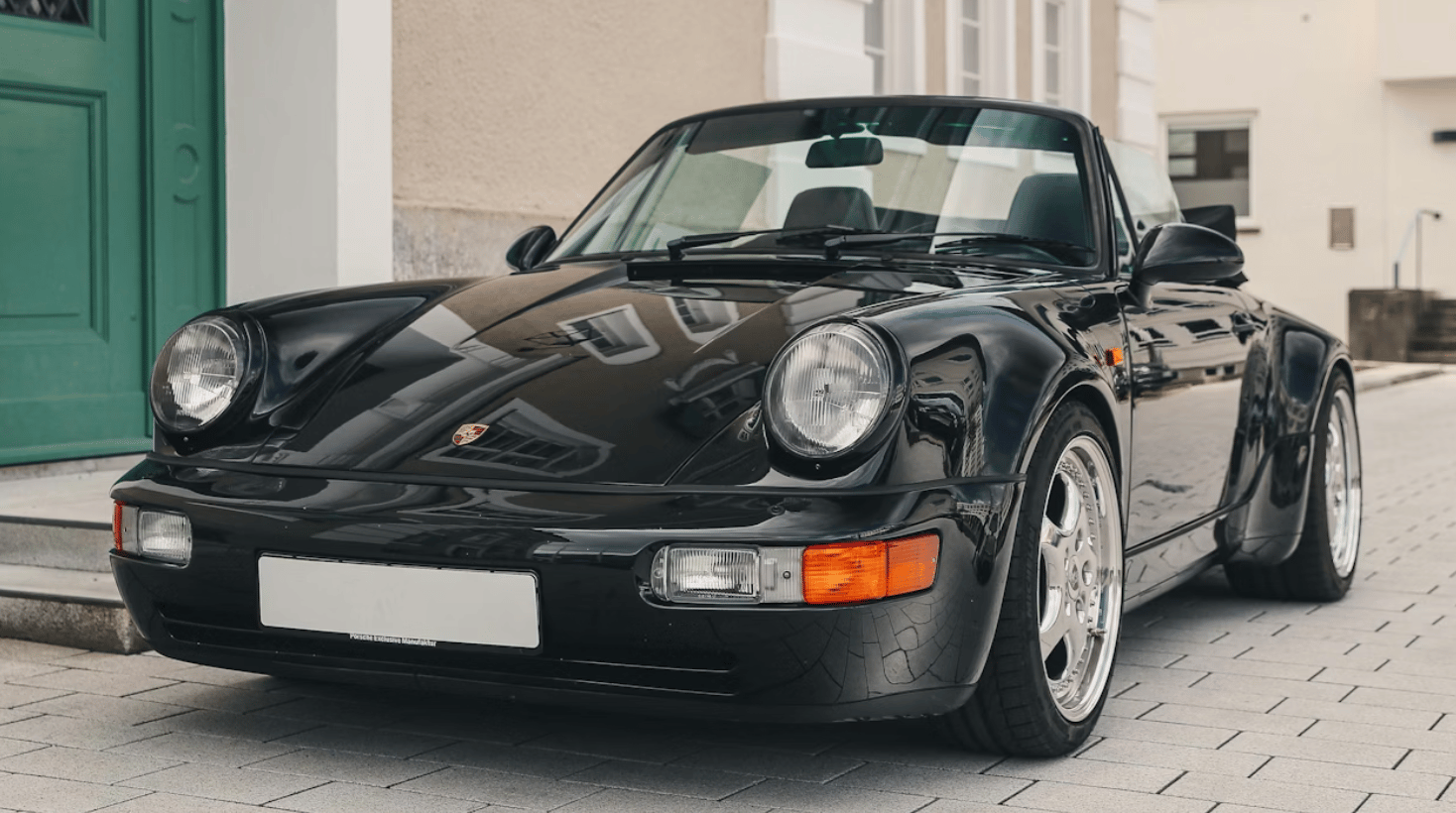
This is one of those cars where the spec draws you in immediately, but the real story is how it fits into the market right now.
The Porsche 911 Carrera 2 Cabriolet WTL sits in a very specific sweet spot within the air-cooled world, because it delivers the wide-body Turbo presence without actually being a Turbo, which for a lot of buyers is exactly the point. You get the stance, the brakes, the look, but keep the naturally aspirated flat-six and rear-wheel-drive balance that define how a classic 911 should feel, and once you add the manual gearbox and cabriolet format, it becomes far more about the experience than anything on paper.
What separates this example isn’t just the spec, it’s the fact that it has lived a very coherent life. A German-market car that has remained in Germany, backed by extensive documentation and consistent specialist servicing, carries a level of credibility that a lot of imported cars simply don’t. These cars tend to be driven, inspected, and maintained within a system that doesn’t allow much to slip, so even when they aren’t perfect, the story usually holds together in a way that matters when real money is involved.
At the same time, this isn’t a car pretending to be untouched or museum-grade. The mileage is meaningful, the paint readings suggest prior work, and it has clearly gone through a period of modification before being brought back toward a more original configuration. Even details like the Speedlines shown in the photos not being included reinforce that this is not a presentation-first, collector-polished example.
That’s exactly why it works. Because this sits in a different category of 964, one where the value isn’t tied to perfection but to usability. It’s a wide-body, manual, open-top air-cooled 911 that has already been driven, already been maintained, and already moved past the point where every kilometer feels like a decision. That changes the ownership experience entirely, because you’re not preserving it, you’re actually using it. (which is what I always say cars are made for!!)
The market is starting to separate along those lines. The best examples are getting more expensive and more static, while cars like this, honest, well-kept, and fully usable, are becoming the ones people actually enjoy. This is where the experience still outweighs the hesitation, and where the numbers start to make more sense once you stop comparing it to cars that live in collections instead of on the road.

This is one of those cars that people scroll past… and then later wish they hadn’t. ( I nearly did!)
The Cadillac Eldorado Biarritz sits in a part of the market that hasn’t fully reset yet. For years, these were cheap, disposable, and everywhere. So even now, when a clean one shows up, most people still treat it like just another old Cadillac.
But this isn’t that car. 37k miles, clean history, and most importantly, untouched. That’s the whole story here. These cars don’t survive well when they’re neglected or “updated,” and most of them were both. This one wasn’t, and you can see it immediately.
The spec helps, because it leans all the way into what this car is supposed to be. Green over tan, padded roof, whitewalls, no attempt to modernize anything. It looks like it belongs to its era, which is exactly why it works now.
Mechanically, it’s simple and proven. The 4.9 V8 does its job, the car drives the way it was meant to, and nothing here is trying to be more than it is. That’s the appeal.
At $3,200 with a day left, this is still being priced like an average example, not like one that’s actually been preserved. That gap doesn’t usually last once people realize what they’re looking at.
Because the reality is, there aren’t many of these left that feel like this. Most are worn out, modified, or just tired. This one isn’t. And that’s the difference.
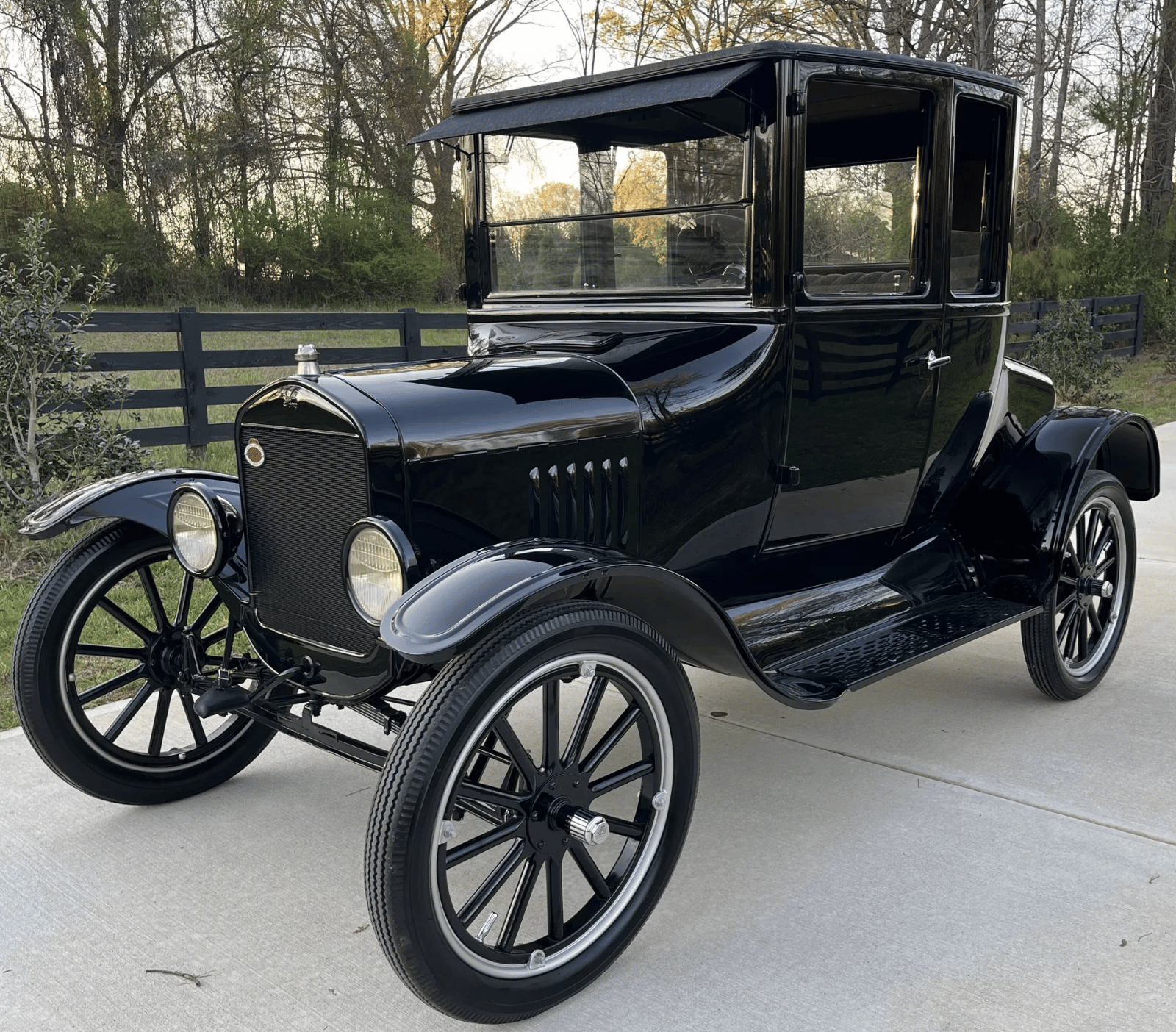
This is one of those cars where you know straight away it’s not for you… but you still pause on it a bit longer than expected.
The Ford Model T Coupe lives in a completely different world to anything most of us are used to. There’s no performance angle, no “daily driver” logic, no real crossover with how people usually think about buying a car today.
But it’s hard not to respect how well this has been done.
This isn’t just restored, it’s been done to a level where every detail actually matters. The AACA Senior National First tells you that straight away, and the fact it then sat in a museum for years just reinforces it. Nobody was cutting corners here or trying to “improve” it along the way, they just got it right and left it alone.
And that’s really what stands out. There’s no overthinking, no reinterpretation, no trying to modernize it. It looks exactly how it should, inside, outside, even underneath. You can tell someone cared about getting it correct, not just getting it finished.
It’s also the kind of car that makes you realize how different things were. Slow, simple, mechanical in a way that doesn’t really exist anymore, and it asks you to adjust to it rather than the other way around.
It’s not something I’d ever go out and buy, but when one shows up like this, done to this level, you can’t really knock it. You just respect it.
Reply